From Policy to Practice: EU Anti-Racism Strategy 2026–2030
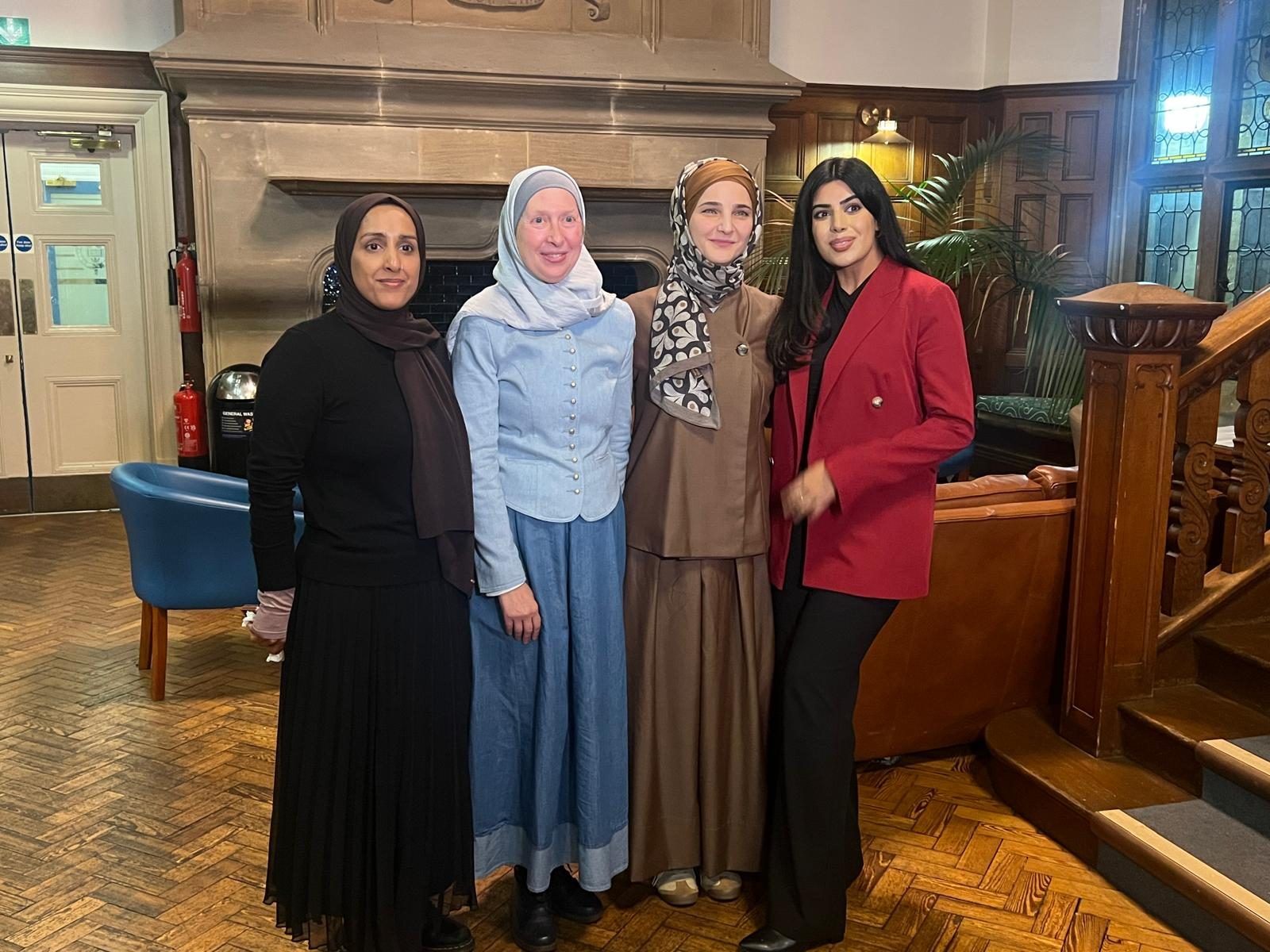
An online roundtable discussion exploring practical examples of how the new EU Anti-Racism Strategy impacts different EU Member States was organised by the Centre for Cultural Dialogue (Croatia), Arigatou International (Geneva), and the Blanquerna Observatory on Media, Religion and Culture (Spain). All three organisations are members of the Network for Dialogue (N4D), convened by KAICIID since 2020.
Particular attention was paid to anti-Muslim hatred. Moderated by Lana Kazkaz (Spain), the exchange brought together representatives from different EU Member States who contributed diverse perspectives. Participants identified growing tendencies towards polarisation and populism as common concerns and emphasised the importance of joining forces in response. Promoting and strengthening the European spirit of “United in Diversity” was seen as an essential path towards securing social cohesion.
The discussion was enriched by the participation of Marion Lalisse, EU Coordinator on combating anti-Muslim hatred, appointed by the European Commission in 2023. Drawing on her experience and expertise, she encouraged participants in their ongoing work and shared valuable practical insights.
The roundtable created a constructive and confidential space in which participants could exchange experiences, identify promising practices, reflect on challenges, and discuss how different actors can contribute to turning the Strategy’s objectives into visible, sustainable, and meaningful change in the everyday lives of communities affected by racism and discrimination.
EULEMA’s perspective was contributed by Carla Amina Baghajati, board member from Austria. She emphasised the importance of making use of opportunities created through initiatives such as the EU Anti-Racism Strategy rather than falling into resignation. Strengthening Muslim participation in civil society and in initiatives that support democracy and the rule of law is an effective way of countering negative stereotypes and processes of othering. In this way, Muslims can see themselves in mainstream thinking, as active contributors to wider society, sharing responsibility for the common good while remaining rooted in their diverse backgrounds. Such an approach helps move beyond perceptions of being a “minority” and towards a stronger sense of belonging and participation.