The contribution of Muslim leaders to combatting hate speech
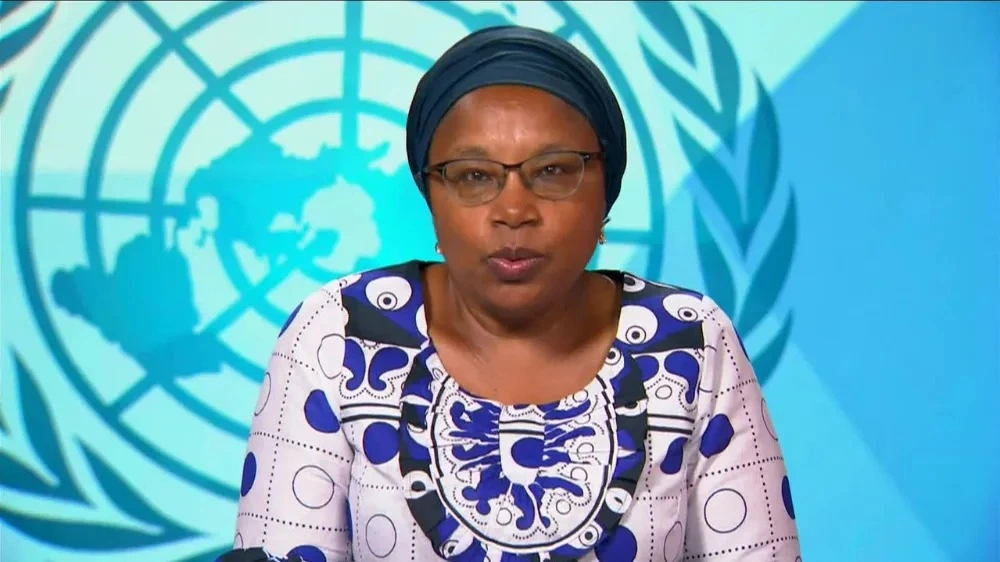
Rav David Rosen message to the EULEMA and KAICIID Conference
The last couple of decades has witnessed a slow but constant increase in the polarisation of European societies, as a result of multiple societal, health, financial and economic crises, including active conflicts. Social media has often accelerated such process, catalysing the expression of hatred and incitement to violence on the grounds of sex, gender, religion, race and ethnicity, or political ideas. Despite greater awareness of policy makers and social media platforms’ operators about the urgency to tame down expressions of hateful content, data from victim support organisations, human rights bodies as well as law enforcement authorities shows that the use of derogatory language remains prevalent on social media. Harmful expressions impact particularly on the mental well-being of vulnerable communities as well as on the broader social cohesion of European societies.
Muslim community leaders as well as Muslim civil society organizations have largely documented worrying instances of anti-Muslim hatred, which remains prevalent on social media with clear spikes in the context of international crises or in the wake of terrorist attacks. Although responses from policy makers, the judiciary and social media platforms have been slow, progress is underway.
But this is only one side of the coin. As citizens and persons of faith, Muslims, and Muslim leaders in particular, have a responsibility in contributing to prevent and curb online and offline expressions of hatred towards other Muslim minority communities and other communities as well, on the grounds of religious, ethnic, gender or other factors.
The intention is to build cohesive societies where everyone feels respected and included, in line with the core principles of the European Union and Islam. Yet, the implementation of this ethical call raises several challenges for Muslim leaders, such as understanding what constitutes hate speech from the viewpoint of other communities; challenging one’s own community and one’s personal biases; developing inclusive narratives which do not shy away from complex and polarising issues; building bridges with other communities; promoting an open and inclusive leadership.
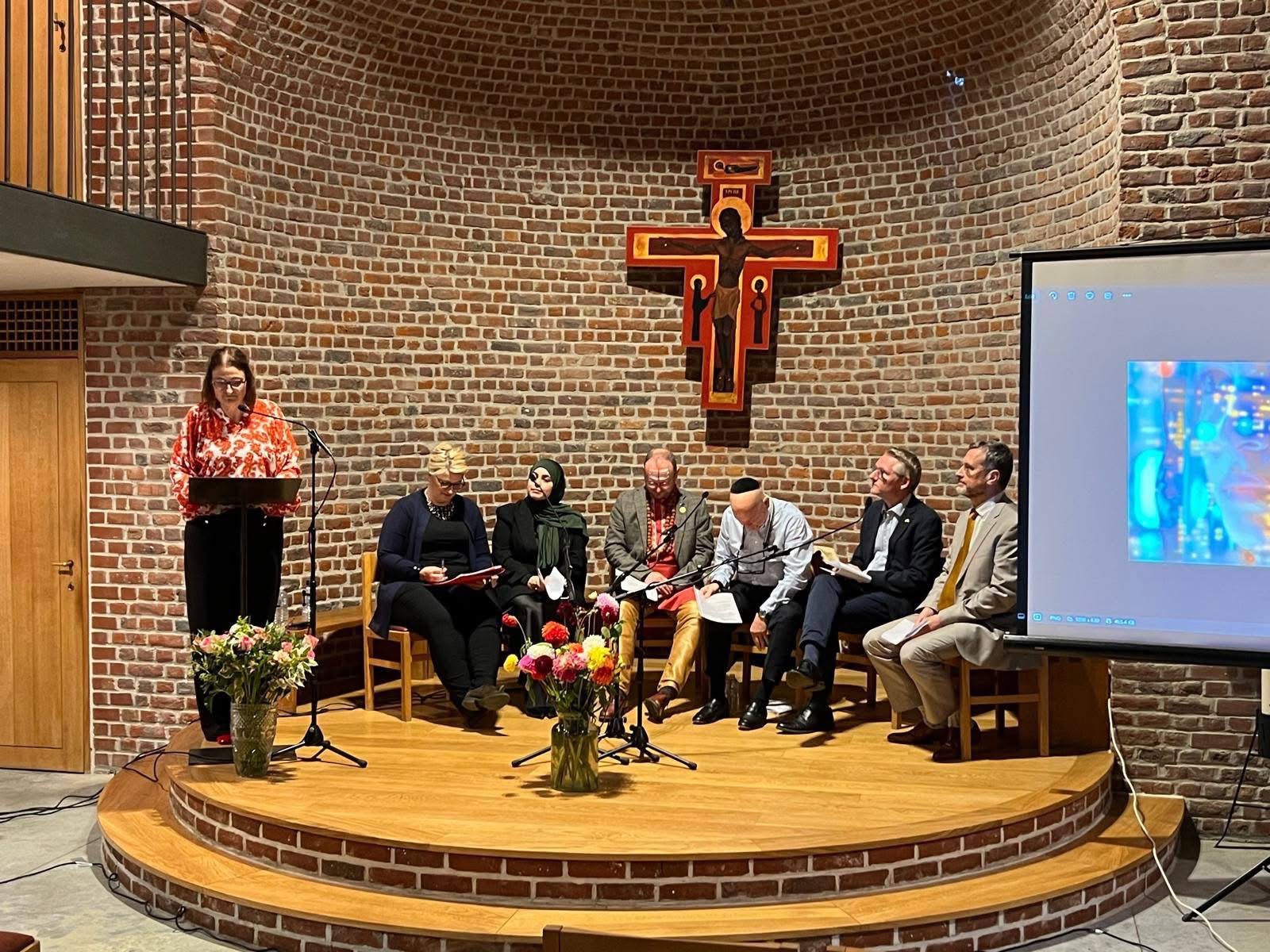
In the framework of the Belgian Presidency of the European Union (EU), the event “The contribution of Muslim leaders to combatting hate speech”, jointly organized by EuleMa (the European Muslim Leaders Majlis) and the Muslim Council of Belgium, with the support of the International Dialogue Centre (KAICIID), will reflect on the contribution of the European Muslim leadership to prevent and counteract hate speech and contribute to inclusive European societies, as a way to foster and guarantee the enjoyment of fundamental rights for all within the EU.
The organisers
EuLeMa stands for “European Muslim Leaders’ Majlis”. The majlis (Arabic for “council”) of European Muslim leaders was officially registred in Brussels in 2023 by a group of religious leaders to provide a platform for better communication and coordination between Muslim communities and greater representation for Islam among other faiths and secular institutions. Eulema currently includes Islamic religious leaders from 22 European countries.
The Muslim Council of Belgium is the official representative body of the Muslim Community in Belgium, created in 2023. The council is led by a quartet of Belgian Muslims: Mrs. Esma Uçan (Chair), Mr. Taha Zaki (Vice-Chair), Mr. Mimoun Aquichouh (Treasurer) and the islamologist Michaël Privot.