EULEMA invited at the European Commission to the High-Level Meeting with Religious Leaders with Commissioner Brunner and to the European Parliament for the Art 17 TFEU meeting with Vice President Sberna
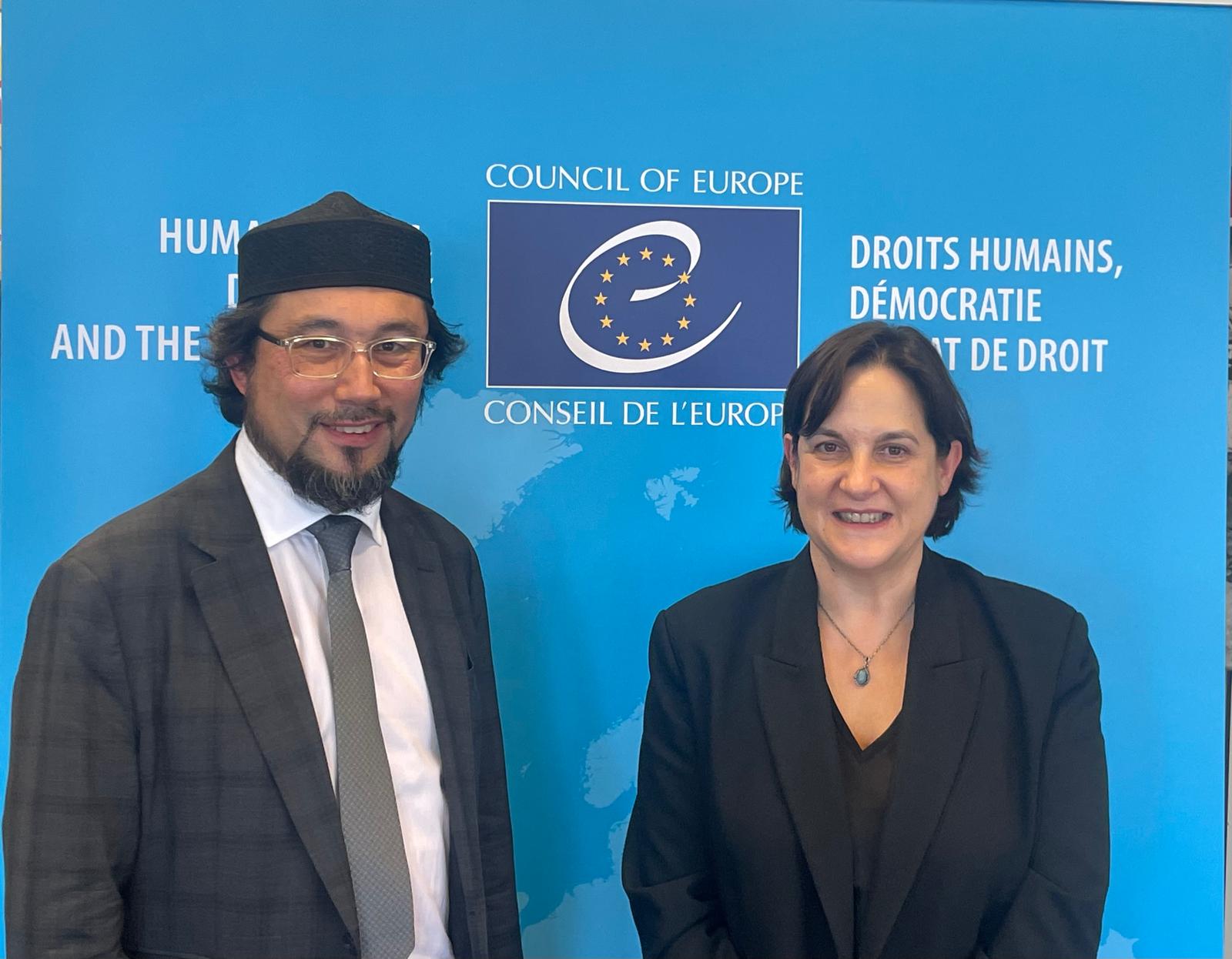
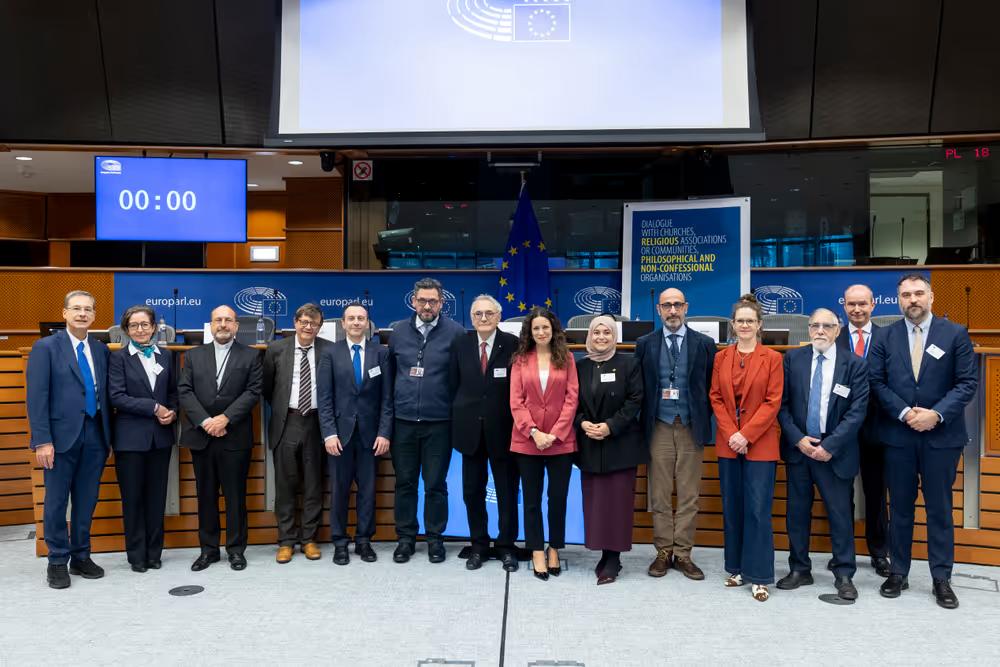 Mrs. Esma Uçan next to Vice President of the European Parliament Antonella Sberna
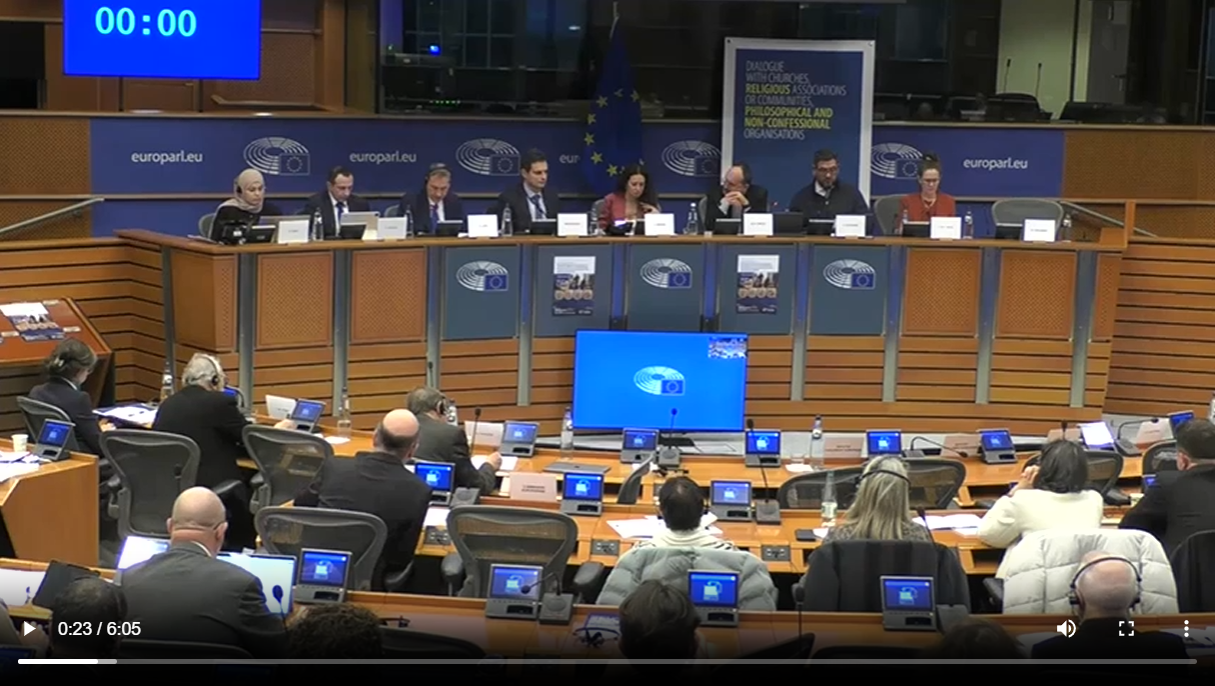
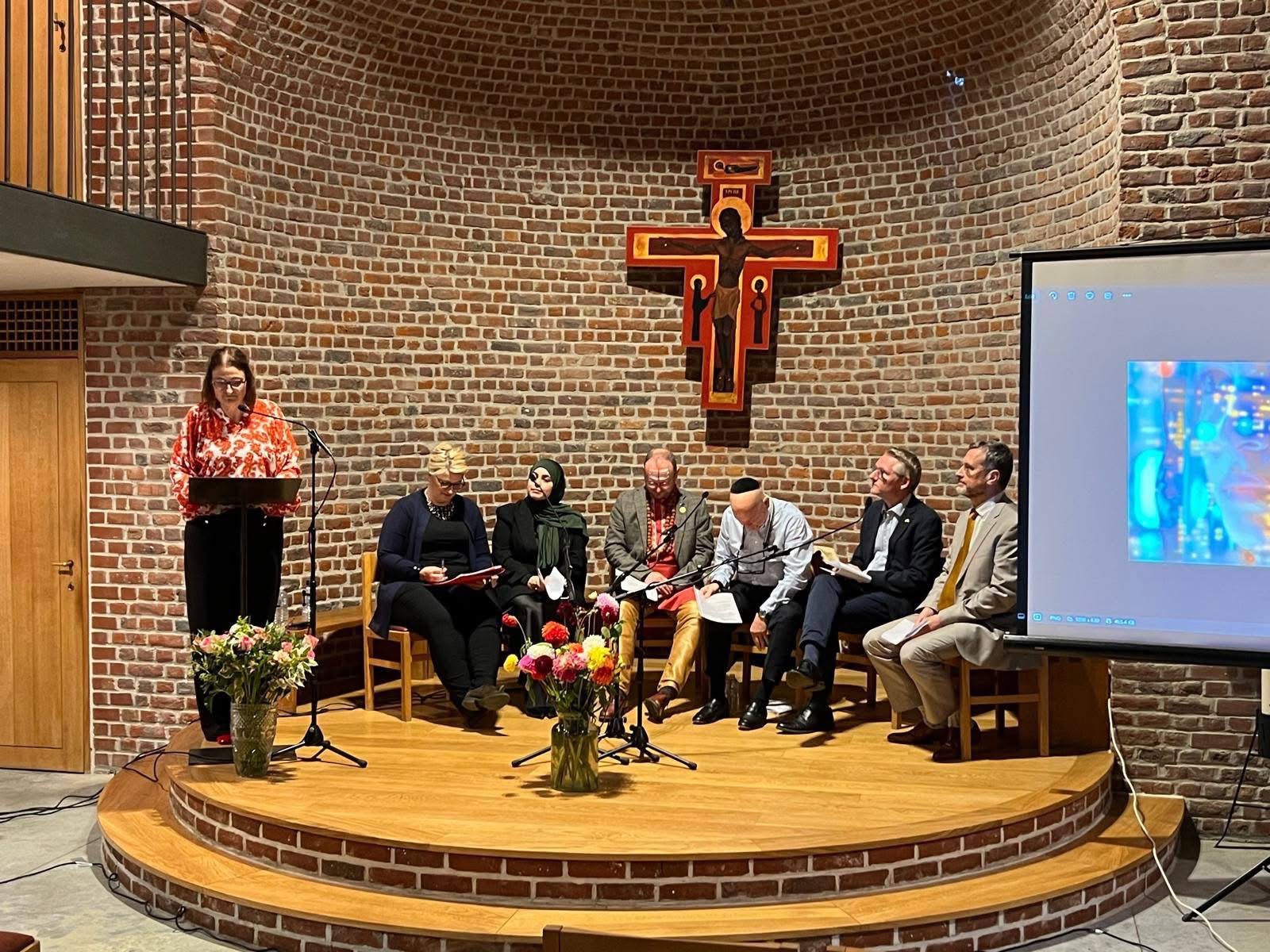
Beyond the numbers: the contribution of Article 17 TFEU to an EU Multiannual Financial Framework grounded in ethics, solidarity and inclusion was the theme of the meeting between MEP and several faith and philosophical representatives. Rabbi Guigui, Father Barrios, sister Esma Uçan and Stefano Bettera, president of EBU, shared the panel with Vice President of the European Parliament, Antonella Sberna.
We thank Esma Uçan for her presentation. Please find some quotes:
Across Islamic teachings, we find a strong link between ethics and economic justice. Wealth is not merely an asset but a trust, in Arabic we like to say an Amanah, and prosperity becomes meaningful only when it contributes to the well-being of society as a whole. This perspective resonates deeply with Europe’s own heritage, shaped by centuries of spiritual, philosophical and humanist contributions.
In Islamic ethics, solidarity is a core principle. It obliges us to support those facing vulnerability, not only through material aid, but by restoring dignity, capability and inclusion. Europe today is facing multiple, intersecting crises: humanitarian, economic, psychological and social. Responding to them requires a holistic understanding of the human person, beyond statistics or categories of beneficiaries. For this reason, EULEMA encourages the European Union to strengthen investment in programmes that build interreligious and intercultural cooperation, dialogue and education. These initiatives are not symbolic gestures. They are essential tools for preventing radicalisation, combating antisemitism, anti-Muslim hatred, anti-Christian hostility, and countering the broader erosion of trust that threatens our social fabric. Such investments are directly aligned with Article 17 TFEU, which recognises the unique contribution of religious and philosophical organisations to European public life.
We also believe that the next MFF should include more concrete actions in key sectors such as healthcare, youth development and the labour market, where cultural and religious diversity requires professional management. Targeted training for public services, employers, educators and frontline actors can significantly improve equal participation, trust and stability. If we truly want to “measure what matters”, we must ensure that human dignity, inclusion and shared European values are reflected in how we allocate resources. Ethics is not an abstract idea; it is a policy tool that helps transform budgets into instruments of cohesion, opportunity and long-term resilience.
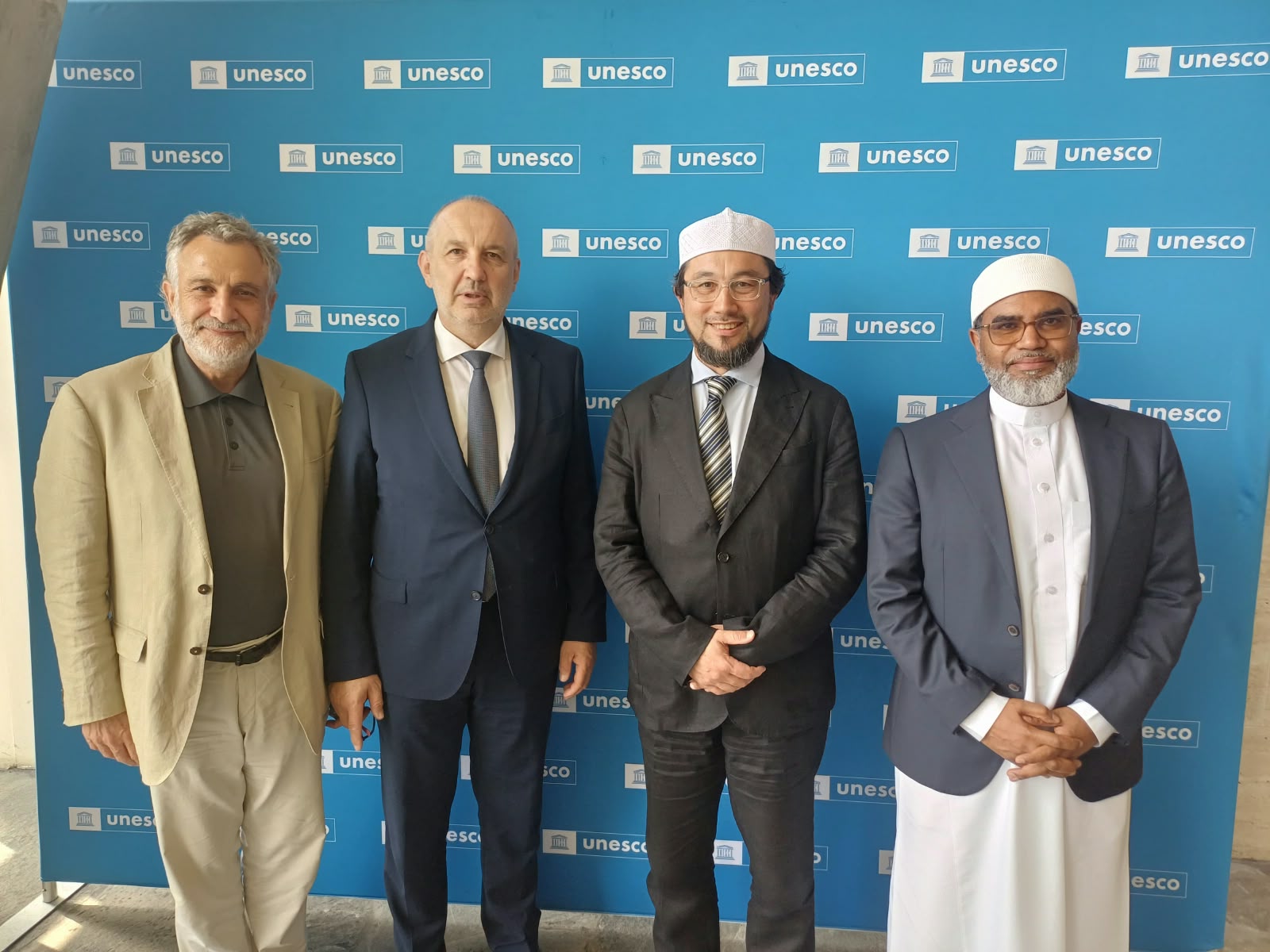
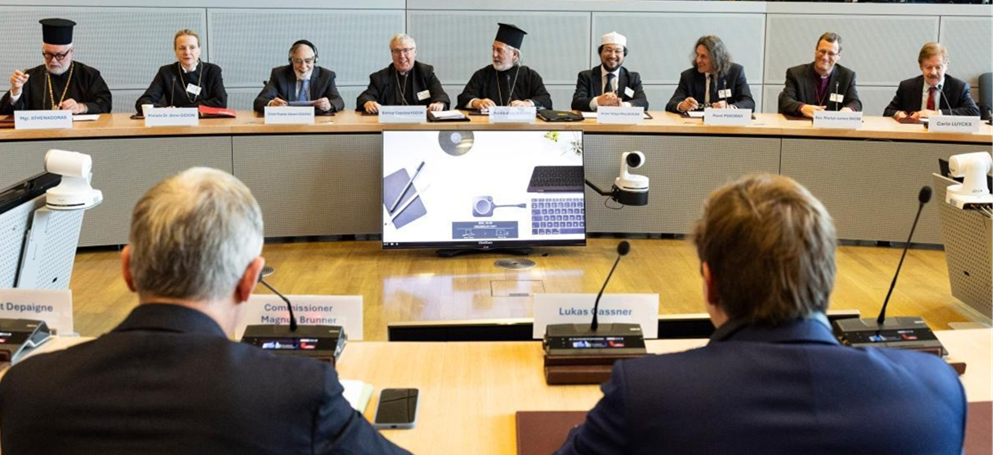 EULEMA chairman imam Yahya Pallavicini next to CEC President Archbishop Nikitas and COMECE Vice President Bishop Kozon at the European Commission
We thank European Commissioner Magnus Brunner for calling this important High-Level Meeting with Religious Leaders to discuss the growing polarisation of our societies, which has been steadily increasing in recent years. We firmly believe that such engagement between political institutions, religious institutions, and civil society is vital in combating polarisation and mistrust while defending the core values. These meetings provide inspiration and updates on the leadership of citizens and believers, developing policies on the added value of religious pluralism, dignity and freedom in European society.
Watch the video